The Narratives of Fast Food
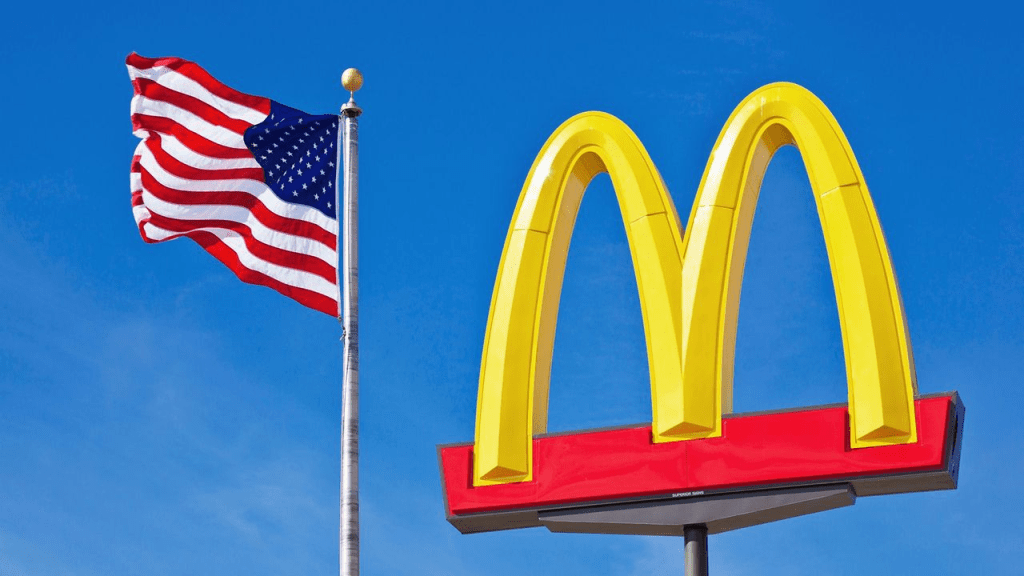
This week, a promotional video advertising McDonald’s new Big Arch™ starred their CEO, Chris Kempczinski. In the video, he presents the entire meal offered, claiming he’ll be eating it for his lunch. However, what was originally a short-form advertisement, blew up on the internet as a controversy.
Many found humor in the video, as the CEO seemed rather stiff and awkward while presenting the meal, and even more funny was how little his bite was. Online jokes and memes have been circulating about this small video. Though, because the video cuts off shortly after his first bite, his claim of eating the burger for his lunch came off as insincere. When many found this video humorous, many others were suspicious or outraged. He tried to push the narrative that he actually enjoys the product he creates, but failed.
America in recent years has been experiencing an economic depression where many are struggling to afford basic needs. As this is happening, the American people are becoming ever more aware of the economic inequalities between the middle/lower classes and the “elite” and wealthy class. The dramatic divide between lower and upper class also occurring alongside the Epstein files release has simple videos like a CEO trying the food his company creates come under many tense, watchful eyes.
The video created an implication that the product Kempczinski creates is not eaten by himself or his family. This takes me back to Brene Brown’s video where she references a Steve Jobs interview. Even he didn’t use his own product, the iPad, implying that while his product is sold to the general public, it’s avoided in his environment.
This recent controversy aligns with my research for our major project. I’ve been studying and looking into what the general public eats, and how often it’s cheap over-processed food product that creates harmful diseases in the long term. This product is the most accessible due to its affordability, and also the most marketable. Food like what Kempczinski promotes negatively impacts low-income communities as long term health issues create long term economic issues. The minimum wage the company offers does little to help anyone financially, and it’s often coupled with toxic and dangerous work conditions (see NELP’s article for more information on this).
The narrative Kempczinski is trying to push in his video is that he’s just like everyone else, but it’s clear he isn’t. Major CEOs aren’t like anyone, and they don’t want to be either. To be like everyone, or the general public, is to consume what you’re given. Overconsumption trends, marketing gimmicks, PR stunts, they’re all a way to manipulate the narrative that the products people see are what they want.
So I’m glad McDonald’s released this video when they didn’t need to. It shows the tone deafness of major companies like them display, and exactly why we shouldn’t support them.
2 responses to “Week 6”
-
Carly,
I’m in complete agreement with you. It’s so blatantly obvious that these CEOs are manipulating us, and they think the general public is 100% oblivious to their deceitful tactics. This reminded me of a term called “food deserts” which are populated areas in America that are plentiful in fast food restaurants, but tend to lack fresher, healthier foods (like a farmer’s market). This is making me think how narratives can be powerful enough to permanently impact our community in either beneficial or harmful ways… Sadly, it’s usually harmful. Exceptional job, as always!
LikeLike
-
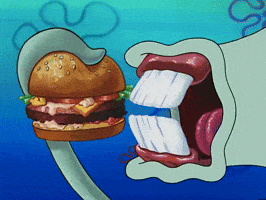
That picture of Squidward actually took me out. I saw that video just the other day and was absolutely disturbed that it didn’t even seem like he knew how to hold a burger. corporations sell trash to the poor masses because they can. the saddest part is that we know it is trash, and continue to buy it because sometimes we cannot accommodate another option.
LikeLike


 Intro to Public Writing: Carly Holladay
Leave a comment